One Woman: We’re Ba-ack!

July 5, 2026

We might not have needed our reservation, but several small parties did arrive shortly after we got there.

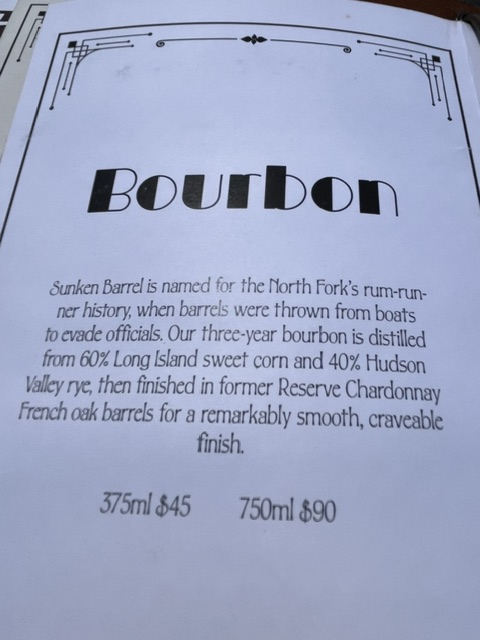
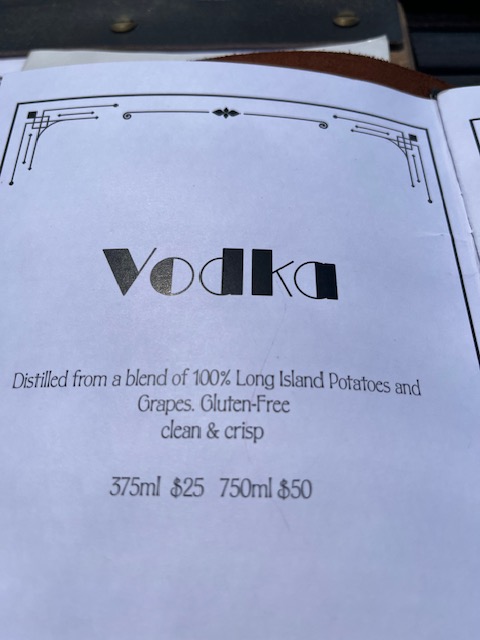
If you follow my blog at all, you may have noticed that I rarely return to the same place before many months—or even a year—has passed.  After all, with around 50 wineries, plus breweries and distilleries, on the North Fork, there’s plenty of incentive to try different places all the time. However, when we visited in June we only had the wines, though I was intrigued by the menu of distilled liquors, including vodka, gin, and bourbon.  So when visitors arrived who are always interested in trying new drinks—and, not incidentally, love tinned fish—we knew just where to take them.  Good choice.
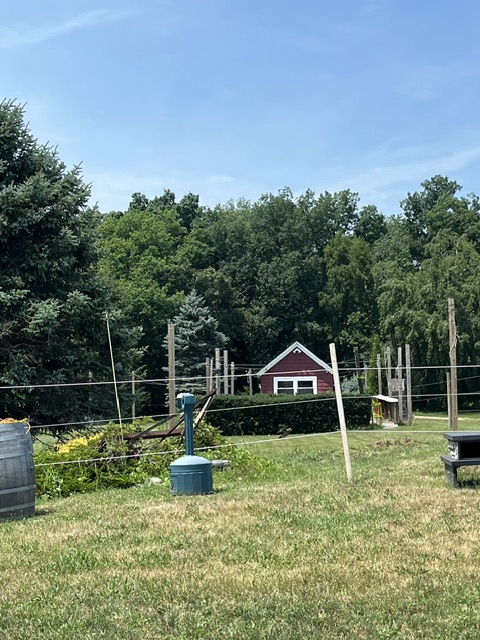
In the distance, you can see the original tasting shack. Quite a change!

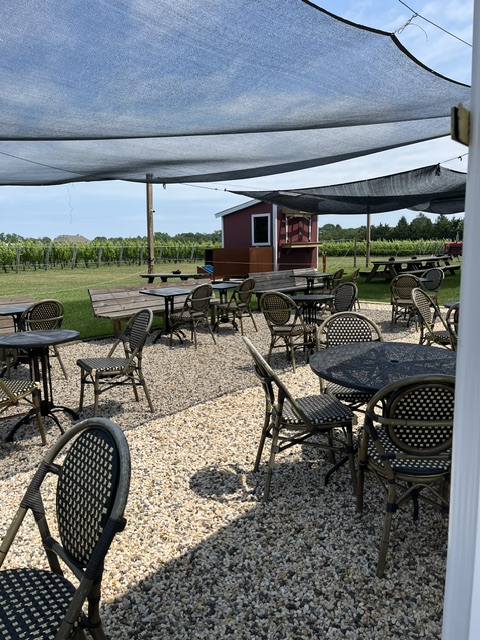
We made a reservation to sit outside on this warm, but not too warm (especially after the crushing heat of the previous days) day, because we were bringing a well-behaved pooch with us.  She lived up to that description, relaxing on the grass and enjoying the dish of water our waitress, Monica, brought her.  She also enjoyed one of the smoked mussels we ordered. Lucky dog.

The pooch, being well-behaved.

Our group of six was just the right number, as larger groups are not allowed.  We had three non-drinkers with us, and two of them enjoyed the “seasonal lemonade,” on this day flavored with raspberry, served in large glasses.  Positive reviews of the lemonade ensued.  We also ordered a glass of Tost, a rosé-like non-alcoholic drink, that tasted like a sparkling rosé, and was not too sweet, for the other abstainer.

The seasonal lemonade which two of our guests, being lemonade connoisseurs, judged excellent.

Two shared a “Build your own” wine tasting, and opted for four whites—sauvignon blanc, grüner veltliner, gewürztraminer, and chardonnay—and were so happy with their choices that they took home two bottles each of everything except the gewürztraminer.  I reviewed all of these in my last post, so I will just add a couple of comments.  They liked the sauvignon blanc the best, with its “crisp, light, floral” taste. They thought the gewürztraminer would be okay with food, but felt it had had more flavor in the past (which is why the vintage matters).  Though the chardonnay was 60% aged in new oak, they felt it was not too oaky or buttery, but light and clean.  The grüner was also judged good, especially as a summer wine to have with seafood.  After the flight was finished, Monica brought an “extra,” a taste of the rosé, which was judged also good, with tastes of strawberry and cranberry.
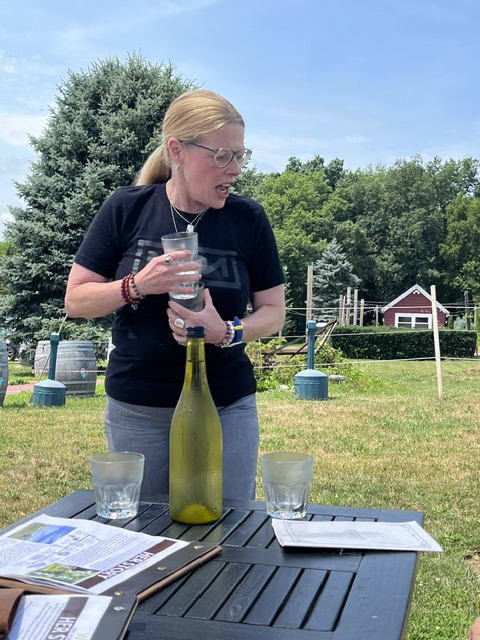
Monica, who was a terrific server.

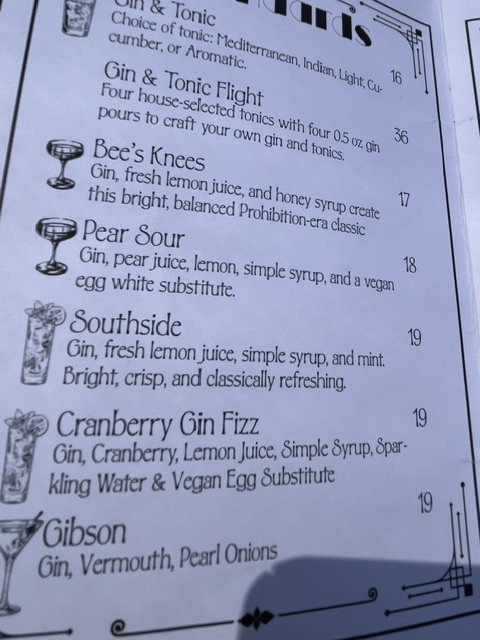
But the biggest success of the day was what I ordered: the flight of gin and tonics.  For $36 I got four 0.5 ounce servings of well-iced Whale Rock gin, plus four small bottles of “house-selected” tonics, plus four wedges of lime.  “That’s the most exciting thing I’ve ever seen!” exclaimed one guest.  Monica, whose chat definitely enhanced the experience of being there, congratulated me several times on what a great choice I had made. No quarrel there.

The gin flight

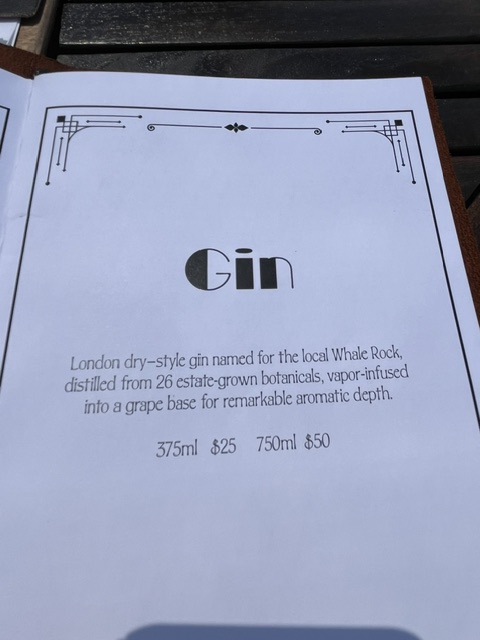
First of all, the gin itself was delicious.  I, of course, was sharing tastes of it with the other two imbibers at the table, and we agreed it was not very juniper-y, but more herby.  Indeed, when we had the chance to chat with Gabriella Purita herself (more on that later), she noted that it had 30 different herbs, many of which she grew herself on the property.  Wow.  We definitely tasted rosemary, maybe lime, though it is not citrusy. My guests and I each bought a bottle to take home.

Everyone on the North Fork is familiar with Whale Rock, I think!

Then it was time to taste the tonics.  Three of them were made by Fever-Tree, which has become my go-to tonic, since I found I prefer it to Schweppes. Gong from left to right, I started with Topo Chico, which I’d never seen before.  It has an earthy taste, with less of a strong quinine taste, but I like it very much, and resolve to look for it.  The Fever-Tree light is one I’ve never tried.  I thought, with the word light, it would have artificial sweeteners, but it does not—just less sugar.  What’s nice about it is that the taste of the gin is more prevalent, but then again, by itself it has very little taste.  The regular Fever-Tree is fine.  But the final tonic is elderflower.  At first, I comment that it is “not my jam,” as I find it too sweet and floral.  BUT…then I add a squeeze of lime, and it becomes my favorite!  My guests like it, too. 
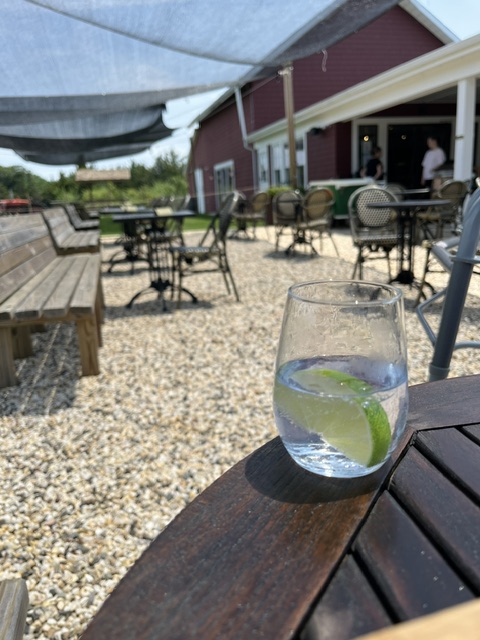
The view across the vineyard.

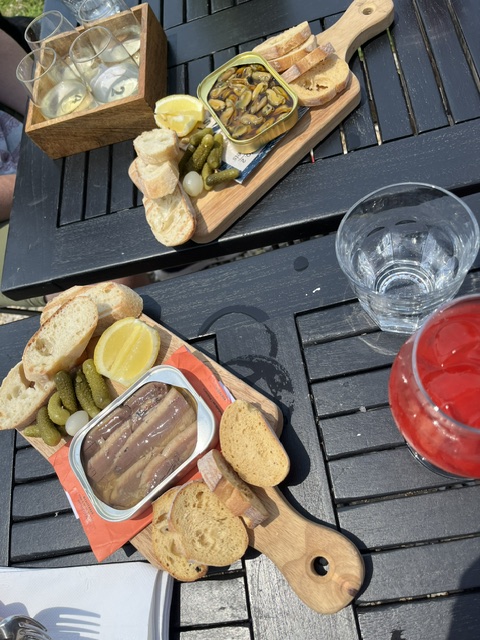
As we sip and chat, we enjoy the calm, laid-back atmosphere, the quiet guitar music, and our snacks.  Oh yes, more tinned fish! This time we go for Sardinha, skinless boneless sardines in olive oil and lemon, from Portugal, and Mussels Limfjord, smoked mussels from Norway, both delicious, served with slices of baguette, cornichons, and lemon.
I notice Claudia Purita herself, bustling around the place, carrying cartons.  She and her daughter Gabriella are both slight but powerful, and clearly work hard to make One Woman (maybe it should be two women?) a success.  Gabriella got into distilling, according to the menu, after a hailstorm in August of 2009 decimated their crop, as a way to rescue what they could.  I remember stories about that event, a freak hailstorm that only hit One Woman and no other vineyard.  I suppose some people would be discouraged after an event like that, but not this pair!

That’s Claudia Purita, the One Woman herself, toting a carton!
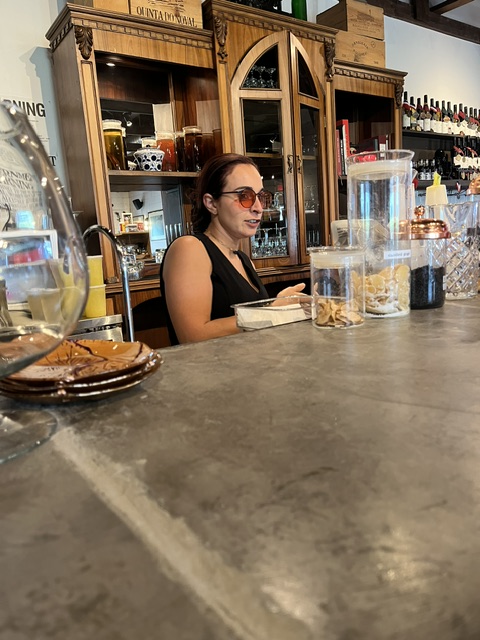
And here’s Gabriella, behind the bar, happily chatting about her latest inventions.

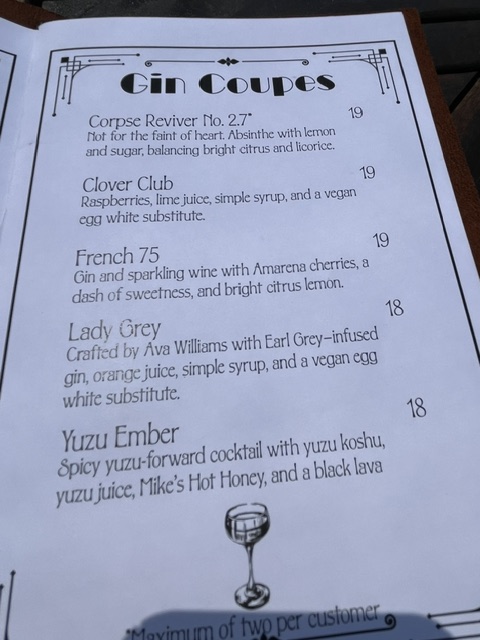
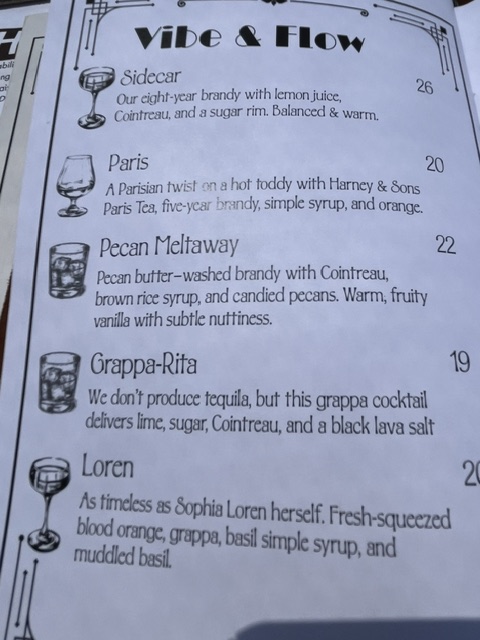
When my guest and I go inside to see about some purchases, we end up in the bar.  After admiring the room (We are told it is an 8,000 square foot facility.), we note that it seems like a nice place to spend a wintry afternoon.  Gabriella (We recognize each other from when she served us in the shack!) overhears our comments, and we get into a discussion of what she is working on.  She is infusing a bunch of ingredients, experimenting with various libations, while trying to be mindful of government regulations.  My guest loves to make infusions himself, and is fascinated.  She offers a taste of her grappa, which is a good move, as he buys a bottle.  It is excellent, less harsh than some grappas.
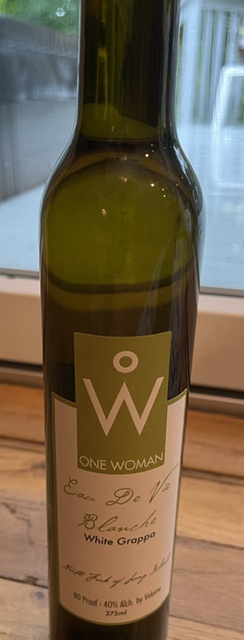
Reasons to visit: all the wines, but especially the grüner and the sauvignon blanc; the cocktails (Now I have to come back to try them!); the gin and tonic tasting; the TINNED FISH; the non-alcoholic drinks; the calm atmosphere; dogs allowed outside.         
Mattebella Vineyards: Science Experiment! August 9, 2015

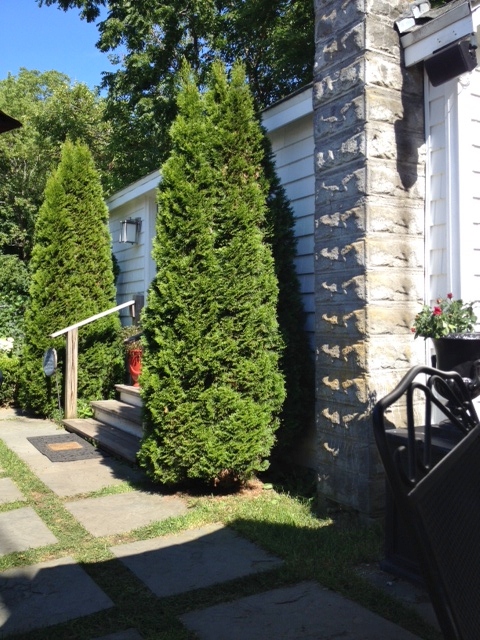
The small tasting cottage

The small tasting cottage

http://www.mattebellavineyards.com/

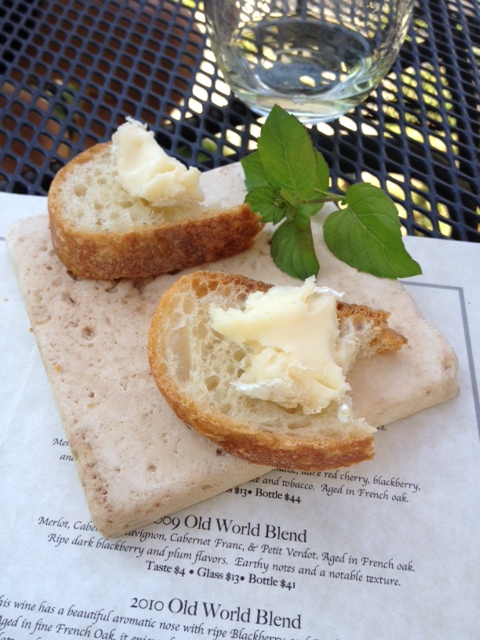
“So first you’re going to try the 2009 chardonnay and the 2013 steel chardonnay,” our charming server explains, pointing out the ways in which they compare.  She also sets down in front of us two pieces of baguette topped with double cream brie, about which more later.  Mattebella gives you the opportunity to make side by side comparisons of their wines, and in the process you can learn some interesting aspects of wine making, which I’ll tell you along with my discussion of each wine.  We started to compare our experience with doing a fun science experiment.

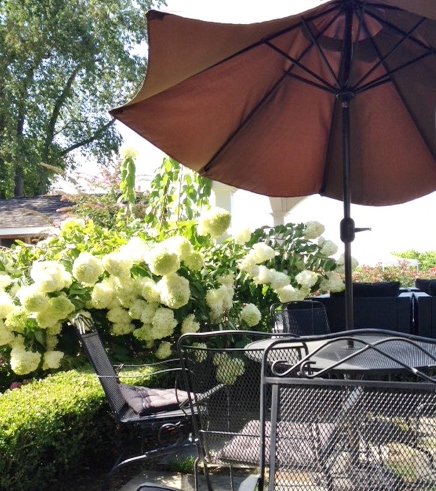
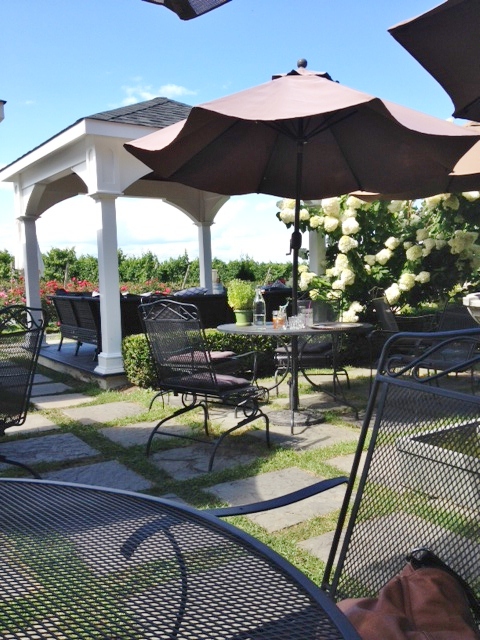
What amazing hydrangeas!

What amazing hydrangeas!

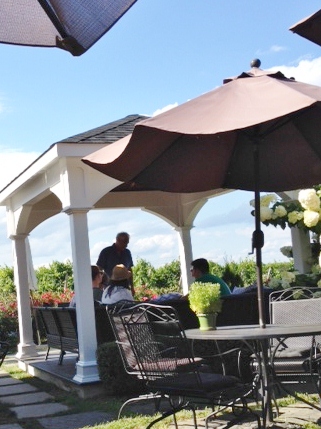
Another attractive feature of the winery is their beautiful outdoor patio setting, with a variety of comfortable seating surrounded by lush hydrangea and rose bushes.  The tasting “cottage” itself is quite small, so this is a place we reserve for beautiful days when we can sit outside and relax while being served.  Others clearly think so, too, for though the patio was very quiet when we arrived, several groups walked in shortly after we did and all seemed to be enjoying the experience, including one group of young people who entered into a lively discussion with Mr. Tobin, the owner (with his wife, who was also there) of the winery.  It is quite a family place, as evidenced by the active participation of the owners in the tasting room, the name of the vineyard—named for their two children—and the name of most of their wines: Famiglia, Italian for family.

Mr. Tobin entertaining a group.

Mr. Tobin entertaining a group.

Service is warm and personal, and the wine tasting includes some small tastes of food, since they believe that food affects how wines taste.  The menu has two main options:  the Light Flight is $17 for 6 whites and 2 rosés, or the Red Flight, $19 for five reds.  (Note—they do not accept American Express, though they take other cards.)  You can also order individual tastes for $2-$6, glasses of any of the wines, or a glass of their wine cocktail or sangria for $14.  Non-drinkers can order their house-made lemonade or water.   We decide to share one of each flight, so we can try all the wines.  Though there are a lot of tastes on the menu, our server tells us that it is a one ounce pour, so we figure we can handle it!

Light Flight

  1. 2009 Chardonnay            $21

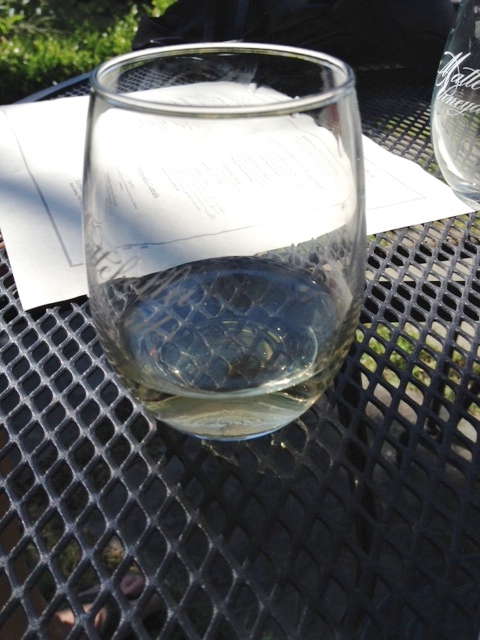
We thought the server might have been a little confused when she set two glasses down on the table, but she soon explained that she was serving two wines side by side so we could compare them.  The 09 is an oaked chard from a cold season, she noted, which made it fairly “crisp and sharp” and an interesting foil for the 2013 steel-fermented chardonnay.  She also set down a pretty pottery plate with two pieces of baguette topped with double cream brie.  She recommended that we experiment by tasting each wine, then taking a bite of the cheese, and then sipping the wine again to see how having it with the creamy cheese changed the effect of the wine.   Okay!  The ’09 has a perfume-y aroma of pear and citrus, with, says my husband, “a fair amount going on.”  Once we take a bite of the cheese, we note more vanilla and baked pear tastes, as well as a surprising amount of citrus for an oaked chard.  On to the ’13.

Double cream brie on baguette.  Yum.

Double cream brie on baguette. Yum.

  1. 2013 Steel Chardonnay $21

The aroma is faintly grassy, the taste good, with some fruit but fairly dry, maybe a touch of bitter orange.  We don’t see as much change with this one after the bite of cheese as the other, but it is a good complement to the cheese.  Usually I think of red wine with cheese, but with a soft rich cheese I will now consider whites as well.

  1. 2010 Chardonnay $21

Now we are asked to consider another pairing of the same grape, treated similarly (both lightly oaked, this one 20% oak and 80% steel fermented), but from very different years.  2010 is generally considered to have been a very good year on the North Fork, with warm dry weather which led to great ripening of the grapes.  No surprise, this is a lovely rich chard, with great depth of flavor, the aroma grassy, fruity, and sweet.  If we needed a white at the moment, we’d buy it.

m white

  1. 2011 Chardonnay $21

In contrast, 2011 was a very rainy year, and so the grapes contain a lot of water.  Wow—this wine is waterier!  Although it is only 5% oaked, the taste has lots of oak in it, perhaps because there’s not as much chard taste to counteract it.  We smell the expected woodsy vanilla aroma, and the taste is quite light, almost evanescent.  Our server characterizes this as a sipping wine.  I think if you put an ice cube in it on a hot day you could almost forget you were drinking wine.

  1. Famiglia 2012 $21

Now we get to try two wines from the same vintage year, same grape, but treated differently.  This is fun, we tell each other.  2012 was another good year.  The Famiglia is 20% oaked, with aromas of vanilla, baked pear, and butterscotch.  It is lighter than one might expect of an oaked chard (so for those of you who say “I don’t like chardonnay,” you need to try a bunch of differently treated chards), with some sweetness at first taste which then dissipates.  Fine, but we like the 2010 better.

  1. Reserve 2012 $28

This chardonnay has been 38% aged in French oak, and we have no trouble telling which is which just on appearance, since this wine has a darker gold color than the other.  Mmm…smells good and tastes good, too.  Lots of oak and fruit tastes, mouth-watering, “softer and sweeter,” opines my drinking pal.  Very easy to drink.  It would be good with spaghetti and fresh clam sauce or sautéed scallops, though you wouldn’t want it with anything too creamy.

  1. 2014 Rosé $20

Mrs. Tobin stops by to say hello and give us a bit of background on the rosé.  It is 90% merlot and 10% cabernet franc and chardonnay, she tells us; the merlot is a Pomerol, the 181 clone also used by Croteaux.  The grapes are picked when they are still “crunchy.”  We smell and taste strawberry, green apple, and a touch of lime.  Very light.

The

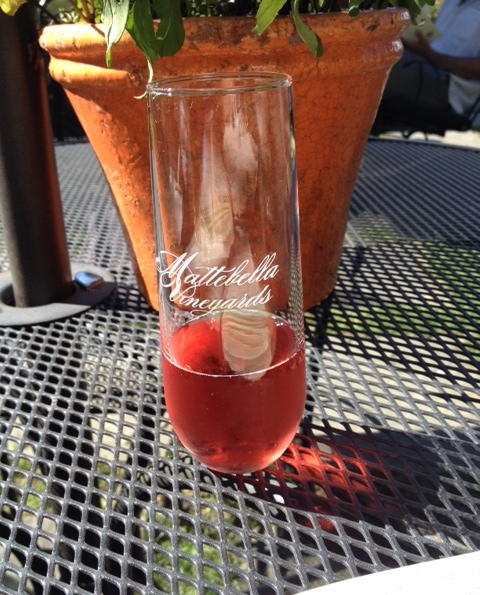
The “fun, party” sparkling rose.

  1. 2014 Sparkling Rosé $27

We get a new glass for the sparkling rosé, a tall slim one.  This is a fun wine, Mrs. T. tells us, not at all serious, and the syrah grape juice accidentally spent too long on the skins, hence its dark pink color.  Lots of over-ripe strawberry smells and tastes, almost soda-pop-y, this is much too easy to drink.  I decide to dub it the bachelorette party wine, and indeed I observe the young woman at the next table order a full glass of it, while her companion opts for a glass of sangria.

Red Flight

  1. Famiglia Red         $23

In 2012 we bought the Famiglia Red for $15, and last year it was $21, but prices do tend to rise, even on the non-vintage wines, though this is still a bargain compared to their other reds.  This is a good everyday wine, and goes with pizza and pasta, as our server tells us.  It spends a year in French oak, and then is put into steel to stop the aging.  (By the way, Mattebella is one of the vineyards that uses the facilities at Premium Wine Group to produce their wines.)  We smell leather and fruit, taste some cherry.

m red

  1. 2008 Old World Blend $44

With this wine a small plate arrives with pairs of treats—fig jam and gorgonzola on baguette, bacon jam and grana cheese on baguette, and little bits of brownie—which we are advised to pair with our next wines.  These are all Bordeaux blends, with varying percentages of the grapes.  The ‘08 is 86% merlot, 7% cabernet franc, and 7% cabernet sauvignon (The petit verdot didn’t ripen in time, we hear.)  We smell dark fruits, though the wine is on the light side.  The taste improves after a bite of the yummy fig jam and gorgonzola, a combo I will definitely try at home.

More yummy snacks!

More yummy snacks!

  1. 2009 Old World Blend $41

Since I asked about the percentages on the last wine, our intelligent server makes sure to tell me these:  93% merlot, 3% cabernet franc, 3% petit verdot, 1% cabernet sauvignon.  Remember, this was a cold, rainy year.  The wine is fairly tannic, with aromas of earth and minty candy, not very complex.   Having it with a bite of bacon jam and grana cheese does help.  Then again, what wouldn’t be helped by bacon jam!?

  1. 2010 Old World Blend $48

If you come here for a tasting, you will definitely understand the difference a year makes.  We tend to forget that winemaking is farming, dependent on earth and weather, but this progression of vintages makes that clear.  If their “biodynamic” farming methods are as effective in the fields as they are on the huge hydrangeas we are admiring, they must work amazingly well.  The blend here is 88% merlot, 8% cabernet franc, 3% cabernet sauvignon, and 1% petit verdot, and we are also advised that this could be cellared for 4-5 years.  We smell dark fruits, taste lots of cherry, a touch of chocolate, good tannins, though not a lot of complexity.  It is good with the brownie!

  1. 2007 Old World Blend $63

84% merlot, 12% cabernet franc, 2% cabernet sauvignon, 2% petit verdot.  Of course, they saved the best for last—and also the costliest.  The aroma is delicious and so is the taste, with a “nice mouth feel,” says my pal.  It is very good, but we have had the privilege of tasting world-class Bordeaux, which this is not—on the other hand, it doesn’t cost as much as they do, either!

The herb garden near the tasting patio.

The herb garden near the tasting patio.

Reasons to visit:  a beautiful outdoor setting with friendly table service; the fun of experimenting with tasting wine with and without food (and where else is food included in your tasting?); the fun of comparing vintages and methods of winemaking; a chance to learn about the influence of weather on grape crops and hence on the wines; the 2010 chardonnay; the 2012 Reserve Chardonnay; the 2014 Sparkling Rosé for a fun party drink; the Famiglia Red; the 2010 Old World Blend.

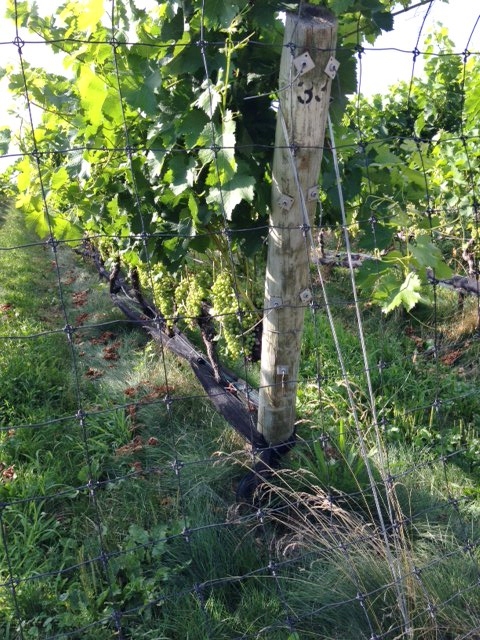
If you look carefully at this picture of the grape vines, you'll notice that they don't use herbicides.

If you look carefully at this picture of the grape vines, you’ll notice that they don’t use herbicides.

m garden 2

m pavillion